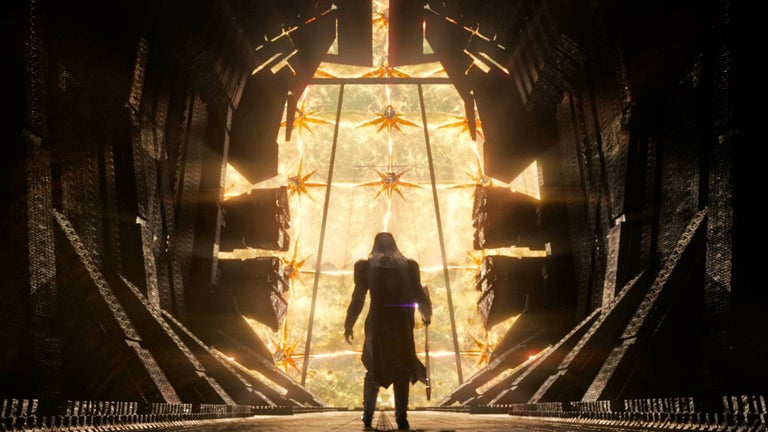
Liminal Point: Isometric psychological horror with a musician at its core
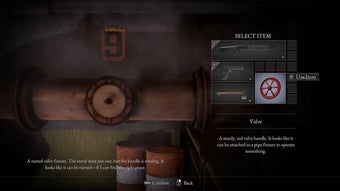
Closer to Silent Hill than action-horror peers, Liminal Point by HideWorks is a psychological survival horror adventure set on the fogbound island Ashen Point. Players navigate surreal environments, solve intricate puzzles, manage scarce ammunition and inventory, and strategically allocate resources to survive encounters with grotesque entities while unraveling a fragmented, memory-driven mystery. It pairs an isometric camera, active audio cues, a musician protagonist, branching endings, and strategic inventory plus map-based navigation to emphasize liminal atmosphere. Fans of classic survival horror and narrative-driven indie games who value oppressive mood and careful resource play.
What kind of game is Liminal Point?
The game positions the player as Lyra Sterling, a former musician drawn back to Ashen Point by a cryptic voicemail about a missing bandmate. Play focuses on investigation and piecing together memory fragments rather than action setpieces. Encounters interrupt exploration and force choices that shape narrative tone. This emphasis on personal guilt and blurred reality marks the title as psychological horror rooted in character-driven objectives rather than spectacle.
Does it have a multiplayer mode?
The experience is single-player and built around solitary exploration and survival. Movement and supply choices matter because resources are limited and recovery is scarce. Environments invite slow, deliberate traversal rather than group tactics. Key locations the player visits include:
- an abandoned mansion
- a derelict hospital
- the island sewers
Those spaces stage puzzles and encounters that reward careful routing and map use.
What does the game look and sound like?
The isometric top-down view frames narrow transitional spaces to produce uncanny composition and depth. Sound design is used as an active gameplay element; audio cues can mislead or point the player toward secrets, and musical themes tied to Lyra reinforce narrative beats. The interface emphasizes map-based traversal and deliberate inventory management, keeping the pace measured so visual and aural details register between moments of tension.
How steep is the learning curve, and is replay value present?
The design recalls early 2000s survival horror, so resource scarcity and careful decision-making create a deliberate difficulty curve; players adapt by learning routes and conserving supplies. Narrative branches produce multiple endings determined by choices and actions, which supports replaying to explore alternate conclusions. Technically, the game targets Windows systems with modest to high hardware expectations, and the two-person studio behind it has already attracted palpable interest from the indie horror community.
In summary, Liminal Point suits players who favor methodical investigation
Liminal Point is a measured choice for players who prefer slow-building dread and character-led mysteries rather than fast-paced combat. Those who like probing liminal spaces and replaying narrative branches gain the most, while players seeking instant action may find the pace restrained. The game rewards patience and attention to audio and environmental detail, making it a careful, atmosphere-first option for psychological horror fans.